Investing
Investing for Beginners: Compound Growth, Index Funds and How to Start Small
A plain-English introduction to investing, covering what stocks and funds are, why time matters more than timing, the main risks and how beginners can get started.
Investing can feel like a club with its own language: tickers, ETFs, dividends, bull markets, bear markets. It is easy to assume you need a lot of money or a finance degree to get started. You don't. The core ideas are simple, and the biggest advantage you can have, time, is available to almost everyone.
This guide is general education, not personal financial advice. Investing involves risk and you can get back less than you put in.
Before you invest: the foundations
Investing works best once a few basics are in place:
- A budget so you know what you can afford to invest each month.
- An emergency fund of a few months' essential expenses in easy-access savings, so you aren't forced to sell investments when something goes wrong.
- No high-interest debt. Paying off a credit card charging 20%+ interest is usually a better "return" than most investments.
If you haven't sorted these yet, start with our guide to making your first budget.
What you are actually buying
- Shares (stocks) are small slices of ownership in a company. If the company grows and profits, the value of your shares may rise, and some companies pay part of their profits to shareholders as dividends.
- Bonds are loans to governments or companies that pay interest. They are generally less volatile than shares but tend to grow more slowly over the long term.
- Funds pool money from lots of investors to buy many shares or bonds at once. This spreads your risk across many companies.
- Index funds and ETFs are funds that simply track a market index, like the S&P 500 or a global stock index, rather than trying to pick winners. They are usually low cost and widely recommended for beginners.
The magic of compound growth
Compound growth means earning returns on your returns. Over long periods it becomes powerful.
As an illustration only: if you invested $100 a month and it grew at an average of 7% a year, after 10 years you would have contributed $12,000 and might have around $17,000. After 30 years, you would have contributed $36,000 and might have over $110,000. Real returns vary from year to year and are never guaranteed, but the example shows why starting early matters so much more than starting big.
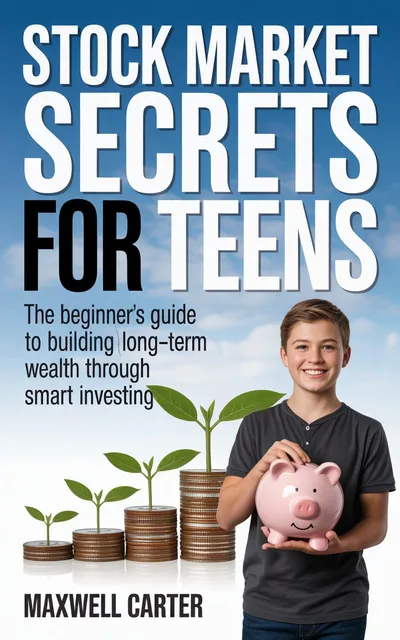
That is especially good news for teenagers and young adults. Stock Market Secrets for Teens explains how shares and funds work and why time is a young investor's biggest advantage.
Time in the market vs. timing the market
Trying to predict when markets will rise or fall is extremely hard, even for professionals. Missing just a handful of the best days in the market can significantly reduce long-term returns, and those best days often come soon after the worst ones.
That is why many beginners use regular investing (sometimes called dollar-cost averaging): investing a fixed amount every month regardless of what the market is doing. You buy more units when prices are low and fewer when they are high, and you remove the stress of trying to pick the perfect moment.
Understanding risk
- Market risk: investments go up and down, sometimes sharply. Over short periods you can lose money.
- Concentration risk: putting everything into one company or sector is risky. Diversification, spreading money across many investments, reduces it.
- Inflation risk: cash in a savings account can lose buying power over time if interest rates are below inflation.
- Behaviour risk: often the biggest one. Panic-selling during a downturn locks in losses.
A rule of thumb many people follow: only invest money you won't need for at least five years.
Fees matter more than you think
A 1% annual fee doesn't sound like much, but over decades it can eat a significant chunk of your returns. Low-cost index funds and platforms with low fees help you keep more of your money working for you.
Use tax-advantaged accounts
Most countries offer accounts that give tax benefits for investing or retirement saving, such as 401(k)s and IRAs in the US, or ISAs and pensions in the UK. If your employer offers matching contributions to a retirement plan, contributing enough to get the full match is often described as free money. Check the rules where you live, or speak to a regulated adviser.
How to get started in five steps
- Check your foundations: budget, emergency fund, no high-interest debt.
- Pick an account: ideally a tax-advantaged one, with a reputable, low-cost provider.
- Choose a simple investment: many beginners start with a broad, low-cost global or total-market index fund.
- Automate a monthly amount: even a small sum. Increase it when your income rises.
- Leave it alone: check occasionally, avoid reacting to headlines and stay focused on the long term.
Investing alongside earning more
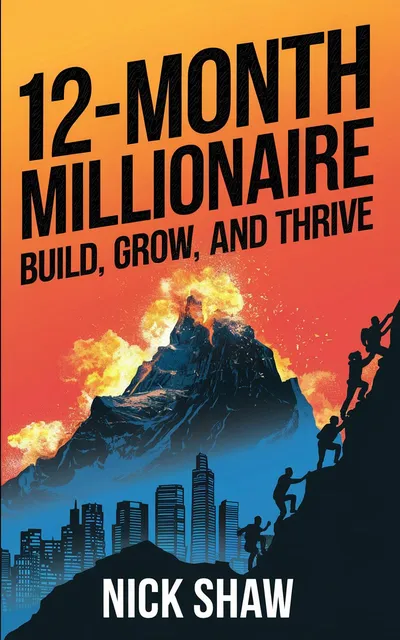
Investing grows what you already have. Increasing your income, through a side hustle, a raise or a new career, gives you more to invest. 12 Month Millionaire combines building a side hustle with managing and investing income over a 12-month plan. And because so much of investing success is psychological, patience, discipline and not panicking, Think Like a Millionaire Mind looks at the mindset side of building wealth.
Watch out for
- "Guaranteed" high returns, which don't exist
- Pressure to act fast
- Investment tips from strangers on social media
- Anything you don't understand
The takeaway
You don't need to be rich or an expert to invest. Get your foundations in place, choose simple low-cost investments, invest regularly and give it time. Boring, consistent investing has helped far more people build wealth than exciting stock tips ever have.
This article is general education, not personalised financial, tax or investment advice. Investing involves risk, including loss of capital.